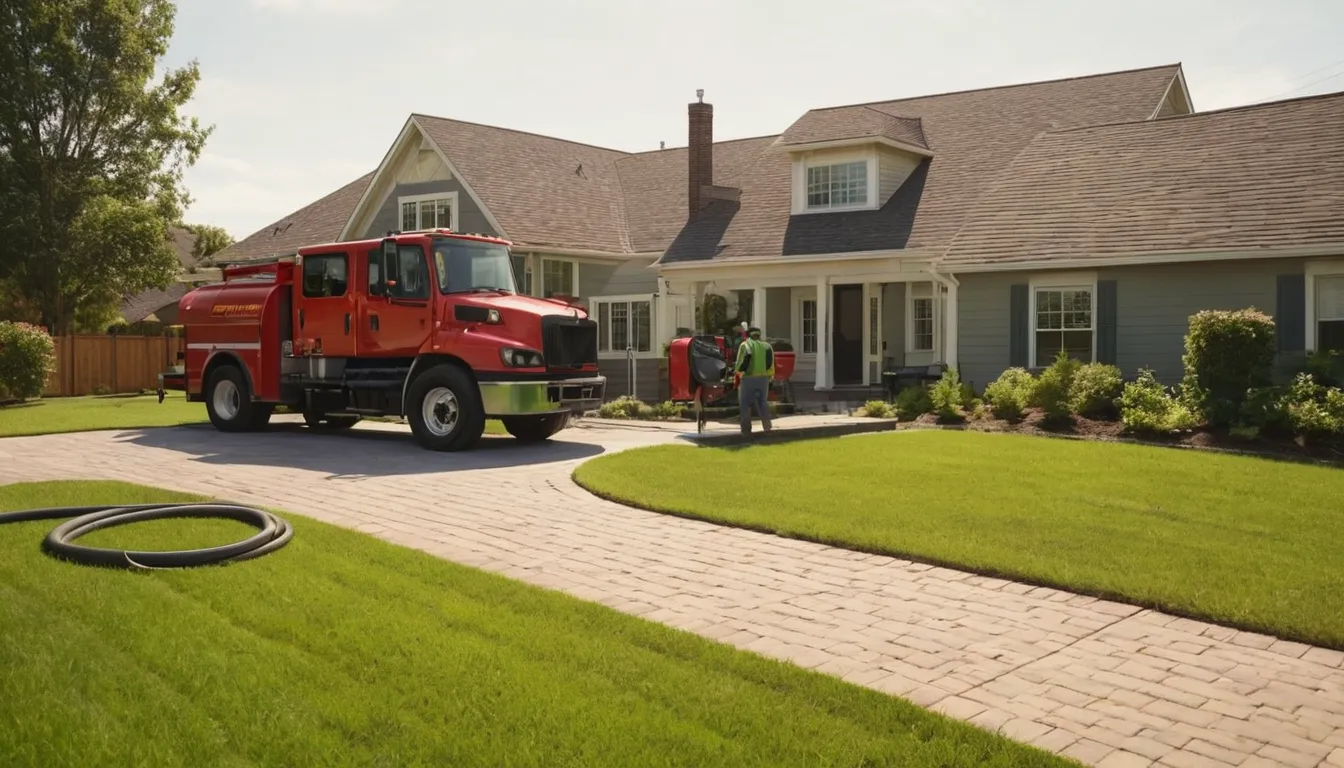
Septic Tank Pumping Services
Request your estimate
A full septic tank backs up into your home. Slow drains, gurgling pipes, and bad smells are the first signs. Pumping removes the sludge and scum that build up over the years. It is routine work, and it costs far less than fixing a failed system.
Brothersjeff Septic is a referral service. We do not pump tanks. We connect you with independent providers in our network who serve the Lewisville area. Price follows the job, so tank size, access, and distance all matter. Request an estimate, compare it with a written quote, and pick a provider that fits your home.
Tank Full or Overdue? Start Here
If drains are slow or sewage smells show up, treat it as urgent. Stop running water. Skip laundry and long showers. Then request a provider.
Catch it small. A tank that is merely overdue is a simple pumping job. A tank that has overflowed can turn into a bigger repair.
Signs Your Tank Needs Pumping Now
Watch for these:
- Sewage backing up in tubs, showers, or floor drains
- Gurgling sounds from pipes
- Standing water or soggy ground over the tank or drainfield
- Strong sewer smells indoors or in the yard
- Toilets that flush slowly
Any one of these is a reason to act. Several at once means you should not wait.
If Sewage Is Already Backing Up
Keep people and pets away from the spill. Do not flush. Do not use the dishwasher. Ask the provider about emergency septic cleaning if the backup is inside your home. Many providers can respond quickly, but availability varies.
Request a callback to check provider availability.
Why Regular Pumping Matters
Solids settle in the tank. Over time they pile up. When they reach the outlet, they flow into the drainfield and clog it.
A clogged drainfield is the costly part. Drainfield repair can run into the thousands. Pumping on schedule is the cheap way to protect it.
How Often Should You Pump?
Most households pump every three to five years. Your number depends on:
- Tank size
- How many people live in the home
- How much water you use
- Whether you use a garbage disposal
A big family with a small tank pumps more often. A couple with a large tank can wait longer. Ask a provider to measure sludge and set a schedule.
What Drives the Price
Price follows the job. These things move it most:
- Tank size. More gallons means more time and more hauling.
- Access. Buried lids need digging. Long hose runs add effort.
- Condition. A tank that has not been pumped in years is thicker and harder to clear.
- Distance. Farther drives can add a fee.
- Add-ons. Filter cleaning, riser installs, and inspections are often priced on top.
Get it in writing. A written quote should list each item so nothing surprises you later.
What Happens During a Pumping Visit
The provider finds and opens the tank lids. A hose pulls out liquid and solids. Many providers break up the crust and sludge so the tank empties well. They check the baffles and look for cracks or leaks. Then they close the lids and tell you what they saw.
Most visits take about an hour or two. Plan for easy access to the yard.
Pumping and Inspections
Pumping gives a clear look inside the tank. That makes it a good time for an inspection. Ask if the visit includes one, or if it costs extra. A basic check can spot problems early, before they spread to the drainfield.
Buying or Selling a Home With a Septic System
Buyers often ask for a pumping and inspection before closing. Sellers can get ahead of this. A recent pumping record shows the tank has been kept up. Ask the provider for paperwork you can keep with your home records.
Weather and Your Tank
Heavy downpours and storm season can soak the ground around a drainfield. A full tank in wet soil has nowhere to drain. Pumping before the wet season gives your system more room. Slab-on-grade homes also have less spare space for a backup, so problems show up fast.
Caring for Your System Between Pumpings
Small habits add up:
- Spread laundry across the week
- Flush only toilet paper and waste
- Keep grease out of the drain
- Do not park or drive over the tank or drainfield
- Fix leaking faucets and running toilets
If you also rely on a private well, keep it in mind. Water well service is separate work, but a failing septic system near a well is worth raising with your provider.
Questions to Ask the Provider
Before you book, ask:
- Is the quote written, and does it list every charge?
- What tank size does the price assume?
- Is digging to the lid extra?
- Does the visit include an inspection?
- Will I get a record of the pumping?
A clear provider answers these without fuss.
What's Included
Full Tank Pumping
The provider removes liquid, sludge, and scum from the tank so it has room to work again.
Basic Tank Check
Many visits include a look at the lids, baffles, and tank walls for visible damage.
Emergency Septic Cleaning
If sewage is backing up, ask providers about urgent cleanup and what their availability looks like.
Service Notes
Ask for a record of the visit, tank size, and any issues spotted, to keep with your home files.
Typical Septic Pumping Costs
These are typical U.S. ranges. Your price depends on tank size, access, and condition. Prices vary by job and by provider. Get a written quote before any work starts, and ask what it includes.
| Item | Typical range | Notes |
|---|---|---|
| Routine pumping, standard tank | $300 – $650 | Common 1,000 to 1,500 gallon tank |
| Large tank pumping | $500 – $1,000 | More gallons, more time |
| Digging to buried lid | $75 – $300 | Depends on depth and soil |
| Riser and lid install | $300 – $900 | Makes future pumping easier |
| Basic inspection | $100 – $400 | Often priced as an add-on |
| Effluent filter cleaning | $50 – $150 | Common with newer systems |
How It Works
Request an Estimate
Tell us about your home and what you are seeing. Include tank size if you know it.
Get Matched Locally
Brothersjeff Septic connects you with an independent provider that serves your area.
Review the Written Quote
Check the line items, tank size, and any extra fees. Ask questions before you agree.
Schedule the Pumping
Book a time with the provider. Keep the yard clear and the lids easy to reach.
Why Call Brothersjeff Septic
Clear Pricing
Know what drives the price before you book, and ask for the quote in writing so nothing changes later.
Less Searching
Skip the long list of random listings. Request an estimate and get matched with a local provider.
Independent Providers
Providers in our network are independent. They do the work, and you agree to terms with them.
No Obligation
Requesting an estimate costs you nothing to decide. You choose whether to book.
Other Services
Need septic tank pumping services in Lewisville?
Tell us what you see at home. Request an estimate and a provider in our network will reach out with next steps and a written quote.
No obligationSeptic Tank Pumping Services FAQ
How often should a septic tank be pumped?
Most homes pump every three to five years. A bigger household, a smaller tank, or heavy water use means you may need it more often. A provider can measure sludge and advise.
How much does septic tank pumping cost?
Routine pumping typically runs about $300 to $650 in the U.S. Large tanks, digging, and urgent visits cost more. Prices vary by job, so get a written quote.
What are signs my septic tank is full?
Slow drains, gurgling pipes, sewage smells, and soggy ground over the tank are common signs. Backups inside the home are urgent.
Get in touch
Tell us what you see at home. Request an estimate and a provider in our network will reach out with next steps and a written quote.
No obligation